Schedule your initial consultation today and start your journey towards a pain-free, healthier smile. Contact us now!
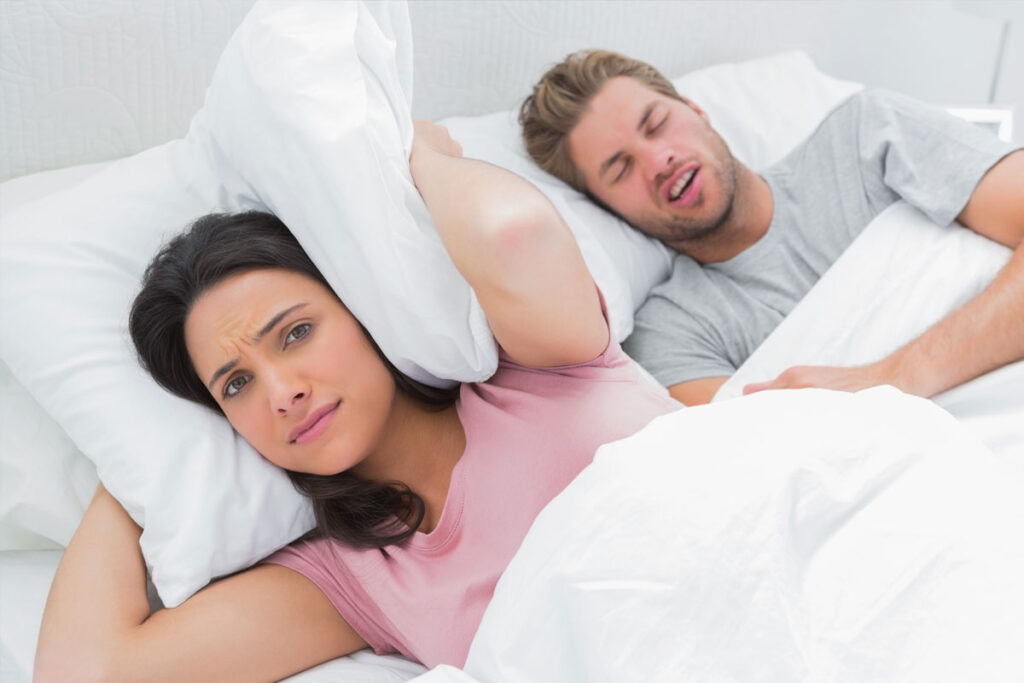
Snoring occurs when the tongue falls into the back of the throat. This narrows the airway and causes air to move quickly through the passage, resulting in the vibration of the uvula (i.e. snoring). Even though light snoring may not be life-threatening it is a significant concern/disturbance/interruption for your significant other. However, if you’re snoring advances into sleep apnea, that’s when you start getting worried and consult your doctor.
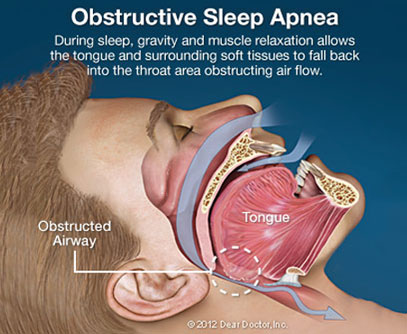
Obstructive sleep apnea (OSA) occurs when the airway completely collapses, blocking airflow into the lungs. It is a serious and life threatening condition. When the obstruction remains in place for more than 10 seconds and occurs more than five times per hour, the patient will usually suffer from chronic sleepiness, depression, high blood pressure, strokes, morning headaches and heart attacks due to hypoxia (a low level of oxygen during sleep).
Snoring is the rattling sound caused by the vibration of tissues in the back of the throat due to a partial obstruction of airflow. It is often harmless (primary snoring).
Sleep Apnea (most commonly Obstructive Sleep Apnea or OSA) is a serious medical disorder where the airway completely or partially collapses, causing breathing to repeatedly stop and start during sleep. This leads to a drop in blood oxygen levels and fragmented sleep.
Key Difference: Snoring is noisy breathing; sleep apnea involves pauses in breathing (apneas) or significantly reduced breathing (hypopneas).
Not necessarily, but it is a major warning sign. Loud, chronic, or habitual snoring is the most common symptom of Obstructive Sleep Apnea (OSA).
However, many people with primary snoring snore loudly and do not have sleep apnea.
If your snoring is accompanied by gasps, snorts, choking sounds, or witnessed breathing pauses, or if you experience excessive daytime sleepiness, you should consult a doctor.
😴 7 Essential FAQs about Snoring & Sleep Apnea
Here are seven of the most frequently asked questions about snoring and the related condition, sleep apnea:
Snoring is the rattling sound caused by the vibration of tissues in the back of the throat due to a partial obstruction of airflow. It is often harmless (primary snoring).
Sleep Apnea (most commonly Obstructive Sleep Apnea or OSA) is a serious medical disorder where the airway completely or partially collapses, causing breathing to repeatedly stop and start during sleep. This leads to a drop in blood oxygen levels and fragmented sleep.
Key Difference: Snoring is noisy breathing; sleep apnea involves pauses in breathing (apneas) or significantly reduced breathing (hypopneas).
Not necessarily, but it is a major warning sign. Loud, chronic, or habitual snoring is the most common symptom of Obstructive Sleep Apnea (OSA).
However, many people with primary snoring snore loudly and do not have sleep apnea.
If your snoring is accompanied by gasps, snorts, choking sounds, or witnessed breathing pauses, or if you experience excessive daytime sleepiness, you should consult a doctor.
The most common symptoms, often noticed by a bed partner, include:
Loud, chronic snoring
Episodes of breathing cessation (apneas) witnessed by others
Waking up gasping or choking
Excessive daytime sleepiness (feeling tired even after a full night's sleep)
Morning headaches
Dry mouth or sore throat upon waking
Difficulty concentrating, memory problems, or irritability
😴 7 Essential FAQs about Snoring & Sleep Apnea
Here are seven of the most frequently asked questions about snoring and the related condition, sleep apnea:
Snoring is the rattling sound caused by the vibration of tissues in the back of the throat due to a partial obstruction of airflow. It is often harmless (primary snoring).
Sleep Apnea (most commonly Obstructive Sleep Apnea or OSA) is a serious medical disorder where the airway completely or partially collapses, causing breathing to repeatedly stop and start during sleep. This leads to a drop in blood oxygen levels and fragmented sleep.
Key Difference: Snoring is noisy breathing; sleep apnea involves pauses in breathing (apneas) or significantly reduced breathing (hypopneas).
Not necessarily, but it is a major warning sign. Loud, chronic, or habitual snoring is the most common symptom of Obstructive Sleep Apnea (OSA).
However, many people with primary snoring snore loudly and do not have sleep apnea.
If your snoring is accompanied by gasps, snorts, choking sounds, or witnessed breathing pauses, or if you experience excessive daytime sleepiness, you should consult a doctor.
The most common symptoms, often noticed by a bed partner, include:
Loud, chronic snoring
Episodes of breathing cessation (apneas) witnessed by others
Waking up gasping or choking
Excessive daytime sleepiness (feeling tired even after a full night's sleep)
Morning headaches
Dry mouth or sore throat upon waking
Difficulty concentrating, memory problems, or irritability
Both conditions are often caused by the relaxation of muscles and tissues in the throat and mouth, which narrows the airway. Common contributing risk factors include:
Obesity/Excess Weight: Fat deposits around the neck can obstruct the airway.
Anatomy: A naturally narrow airway, large tonsils, a large tongue, or a small/recessed jaw.
Age: Muscle tone decreases as you get older.
Alcohol and Sedatives: These relax the throat muscles, worsening obstruction.
Sleep Position: Sleeping on your back often makes both snoring and apnea worse.
Nasal Congestion: A blocked nose forces mouth breathing, which can increase snoring.
Sleep apnea is diagnosed by a medical doctor or sleep specialist, usually based on a review of your symptoms and a Sleep Study (Polysomnography).
A sleep study can be conducted in a lab or sometimes at home, monitoring your breathing, oxygen levels, heart rate, and brain activity while you sleep.
The results determine the Apnea-Hypopnea Index (AHI)—the number of breathing-related events per hour—to diagnose the condition and its severity.
Treatment depends on the severity and type of apnea, but common options include:
Continuous Positive Airway Pressure (CPAP): The most common and effective treatment. A machine uses a mask to deliver pressurized air, which keeps the airway open while you sleep.
Oral Appliances: Custom-fitted dental devices that reposition the jaw and/or tongue to keep the airway open.
Lifestyle Changes:
Achieving a healthy weight.
Avoiding alcohol and sedatives before bed.
Sleeping on your side instead of your back.
Surgery: In certain cases, surgical options can address anatomical issues (e.g., removing enlarged tonsils or repositioning the jaw).
Untreated sleep apnea is associated with several serious long-term health complications because the repeated drops in oxygen and disrupted sleep put stress on your body. These risks include:
Cardiovascular Issues: High blood pressure (hypertension), heart disease, stroke, and irregular heart rhythms (atrial fibrillation).
Metabolic Issues: Increased risk of type 2 diabetes.
Accidents: Increased risk of motor vehicle and workplace accidents due to excessive daytime sleepiness.
Other Issues: Mood changes (depression/anxiety) and difficulty concentrating.



Monday: 9:00am to 6:00pm
Tuesday: 9:00am to 6:00pm
Wednesday: 9:00am to 5:00pm
Thursday: Closed
Friday: 9:00am to 6:00pm
Saturday: 8:00am to 3:00pm (Alternating)
Sunday: Closed


Trustindex verifies that the original source of the review is Google. Dr Michaels personal touch to his craft is always so welcoming. Aside from his professional skills, he is a fantastic Dentist.Posted onTrustindex verifies that the original source of the review is Google. I’ve been going to Dr.Ng since July 2025, she’s super personable and professional. I’m super happy with this dentistry and my dentist!Posted onTrustindex verifies that the original source of the review is Google. I love Dr. Michael, so informative, so patient and so good at his craft.Posted onTrustindex verifies that the original source of the review is Google. Amazing my daughter are so happy with the dentistPosted onTrustindex verifies that the original source of the review is Google. Dr.Micheal is absolutely amazing at what he does and Dorina is fabulous. Always leave the office very happy.Load more